Cultural Campaign
Case Study — 01
Pass the
Mic
"A participation model built for a generation that was already speaking."
"A participation model built for a generation that was already speaking."
[ The Challenge ]
Summer 2020. We remember what this moment felt like. Uncertain, scary, and all of us collectively trying to find a way forward. If you were online at all, you know what that felt like. Culture was moving fast, the conversation was everywhere, and the next generation wasn't waiting for anyone to catch up with them.
Tommy Hilfiger came to us with a real question: how does an iconic global brand show up in a moment like that, especially when Gen Z — the generation they most wanted to reach — didn't really see them as part of what was happening?
This wasn't just a reach problem. It was a relevance problem. And the stakes were real, because people, especially younger audiences, were watching closely. They were paying attention to who was actually in it with them and who was just showing up to take a picture.
Here's the thing about Gen Z that a lot of brands were missing in 2020: they didn't need a platform. They already had one. Actually, they had several.
They'd grown up building communities, organizing movements, and finding their people entirely on their own terms. Social media wasn't new to them — it was just the water they swam in. So the idea of a brand "giving them a voice" wasn't just unnecessary, it was kind of insulting.
The real opportunity was to recognize what was already happening and figure out how Tommy Hilfiger could show up in a way that felt genuinely aligned — not like a brand that had just discovered the culture.
We started by rethinking what the brand's role could even be here. Instead of positioning Tommy Hilfiger as a leader or amplifier — both of which would have felt off in that moment — we focused on participation. Creating space rather than directing attention, and building something that let people express themselves without feeling like they were a spokesperson for a brand.
Tommy Hilfiger came to us with a creative concept and a voicemail activation already in hand. What we brought was the strategic case for making it real. Instead of letting the campaign lean on celebrity reach the way most brands defaulted to, I led the team in grounding the concept in both data and lived cultural signals. We were in the comments, in the conversations, in the broader discourse — not just reading reports about Gen Z but actually listening to how they were talking.
The data made the argument clearly: this concept would only work if the voices were genuine. So we built the strategy around finding people who were already leading real conversations in their communities, and creating a system that could hold many of those voices instead of funneling everything through a single brand message.
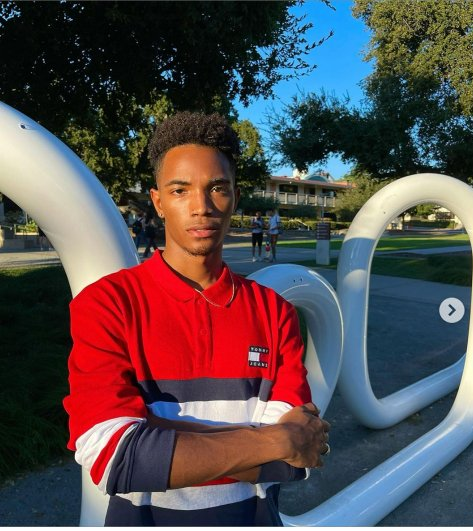
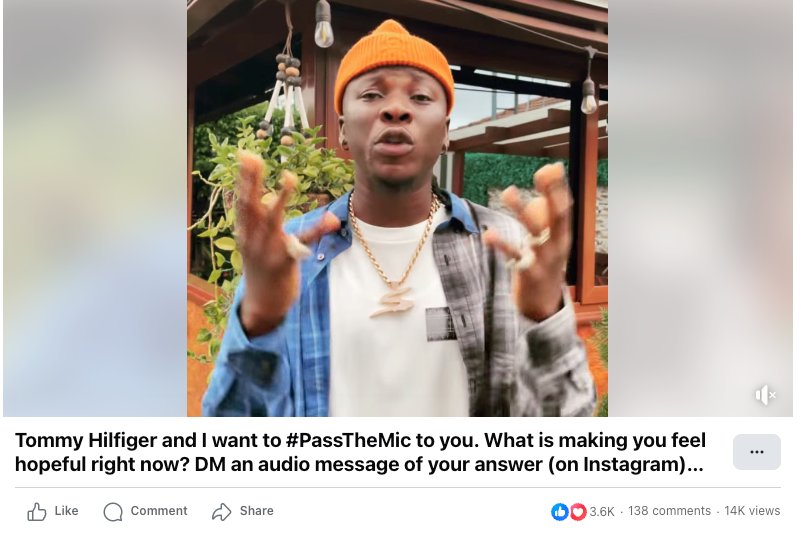
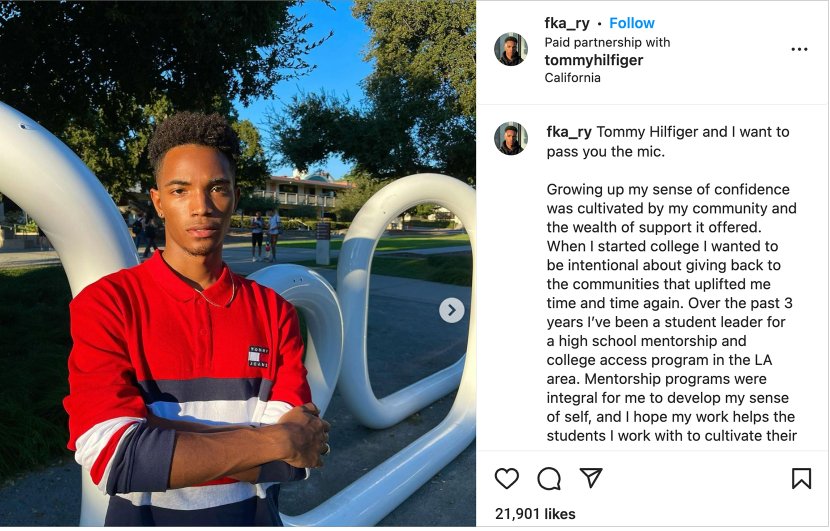
The campaign was called Pass the Mic, and it was built around celebrating everyday activists. The voicemail format was already part of the vision, but we shaped who would actually be speaking into it.
We identified and partnered with 60 micro-influencers who were already doing the work in their own corners of the internet — not because they had the biggest followings, but because they had real credibility with real communities. And instead of scripting them, which would have defeated the entire point, we created a structure that let them speak in their own voice and share what actually mattered to them.
We developed a voice-recording format designed to move from person to person, and built a social framework firmly on the side of authenticity over polish. The result felt less like a campaign and more like a shared space. Which was exactly what we were going for.
Participants made it their own. Some talked about identity, some about ambition or community, and a lot of people used it to process what they were feeling in that moment. Nobody was engaging with it like branded content. They were engaging with it like something that belonged to them.
That shift — from audience to participant — is what made the work resonate.
[ Campaign Content — Instagram ]
↑ Click any image to expand