Brand Campaign
Case Study — 03
Shopko
Outlook
"Shifting the conversation from vision care to identity and self-expression."
"Shifting the conversation from vision care to identity and self-expression."
[ The Challenge ]
Shopko Optical had real roots in the Midwest, especially in Wisconsin, where it had been a trusted name for a long time. But a period of disruption — store closures and broader brand changes — had created some distance between the brand and its audience.
This wasn't about damaged trust so much as a brand that needed a proper reintroduction. People needed a real reason to reconnect with Shopko Optical and, more than that, to feel genuinely good about choosing them again.
Here's the thing nobody in the eyewear category was saying out loud: glasses aren't just functional. They're personal.
Through social listening and cultural observation, my team and I kept running into the same tension. In mainstream culture, glasses are often framed as something to move past — with contacts positioned as the natural upgrade, the thing you graduate to. But that narrative had almost nothing to do with how people who actually wear glasses feel about them.
Glasses are part of how people see themselves and how the world sees them back. The decision to wear them, swap them out, or rock a different pair for a different mood isn't just practical. It's expressive. It's identity. And nobody was talking to glasses wearers like that was true.
We anchored the campaign in identity rather than product, which meant resisting the urge to talk about features, prices, or anything that sounded like an optical ad. To get there, I called all of my glasses wearers — myself included — to the front for a brainstorm session built around mapping our own personal stories to the cultural insights we were seeing. It made the strategy feel lived-in from the start.
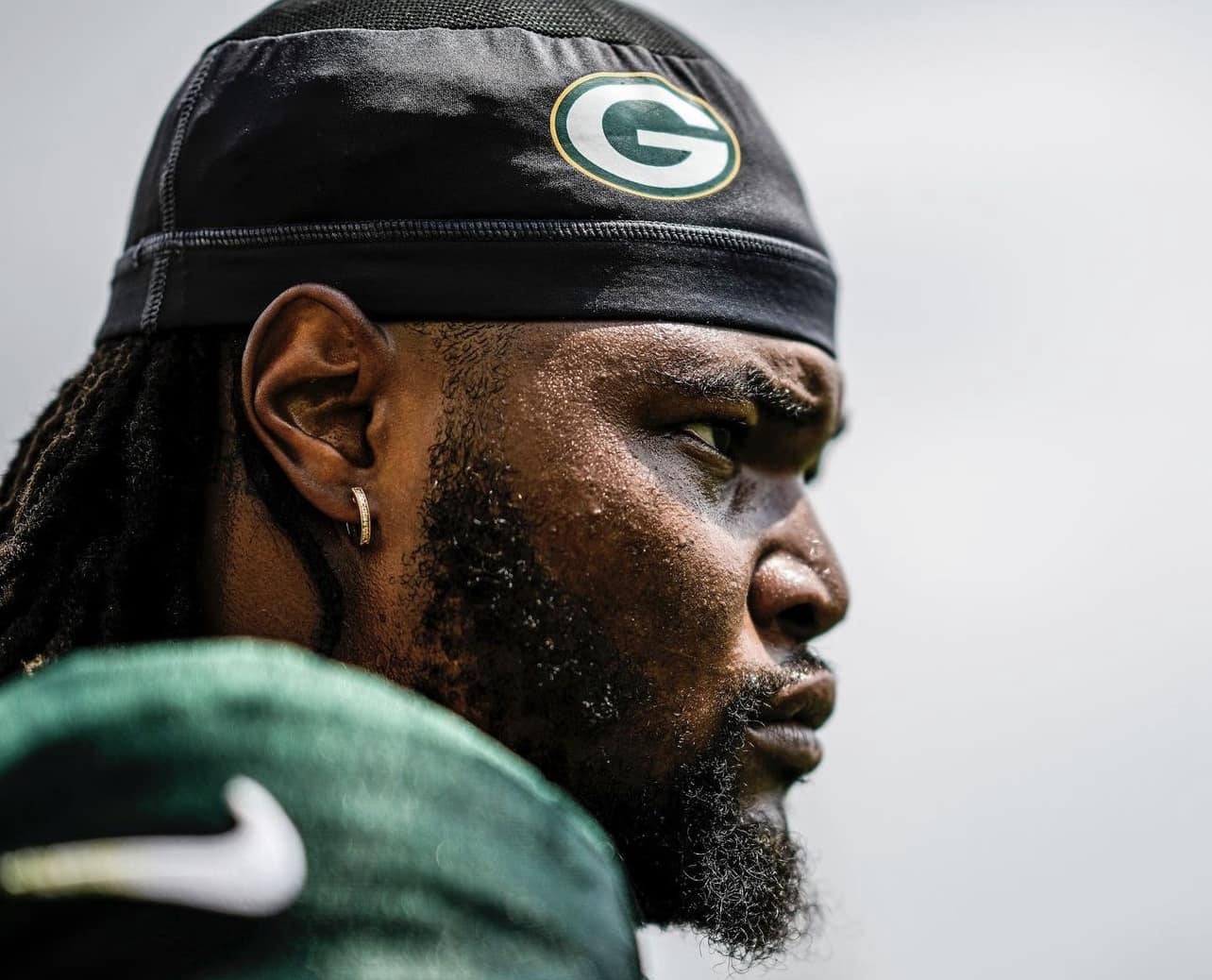
Shopko already had a relationship with Rashan Gary, a Green Bay Packers player, and when we learned he was actually a glasses wearer himself, pulling him into the campaign was a no-brainer. He naturally embodied the duality we kept seeing in the cultural conversation: someone for whom glasses weren't an afterthought but genuinely part of how they showed up. I led the strategy development to make sure we weren't just building a celebrity campaign, but using Rashan's story as a launching pad to invite other people to reflect on their own relationship with their glasses.
The campaign came to life as Shopko Outlook, anchored by a hero video featuring Rashan Gary and supported by a broader social campaign that opened the conversation beyond just his story.
In close partnership with my Associate Creative Director and Lead Creative Strategist, I led the creative development end to end: shaping the narrative, the script, and the visual direction, while collaborating closely with external production partners. From there, creators extended the campaign by sharing their own perspectives — letting the work grow from a single story into something that felt collective and real.
The campaign generated over 395,000 engagements and reached more than 2.2 million people, with strong indicators of both purchase intent and appointment bookings.
But the number I keep coming back to is harder to quantify. We changed how the brand showed up. Shopko Optical stopped sounding like an optical retailer trying to win you back and started sounding like a brand that actually understood something true about you. For a brand rebuilding trust, that shift is everything.
[ Campaign — Hero Video ]
[ Campaign — Creator Content ]
@jenna.smiley its the end of the year, which means its time to get those appointments you've been putting off BOOKED. #shopkoopticaloutlook #sponsored
@jenna.smiley was a natural fit for this campaign — a micro-influencer with a highly engaged audience who already valued preventive health. Her content didn't feel like a sponsored post. It felt like a genuine end-of-year reminder from someone you trusted. That's exactly the tone the campaign was built around.
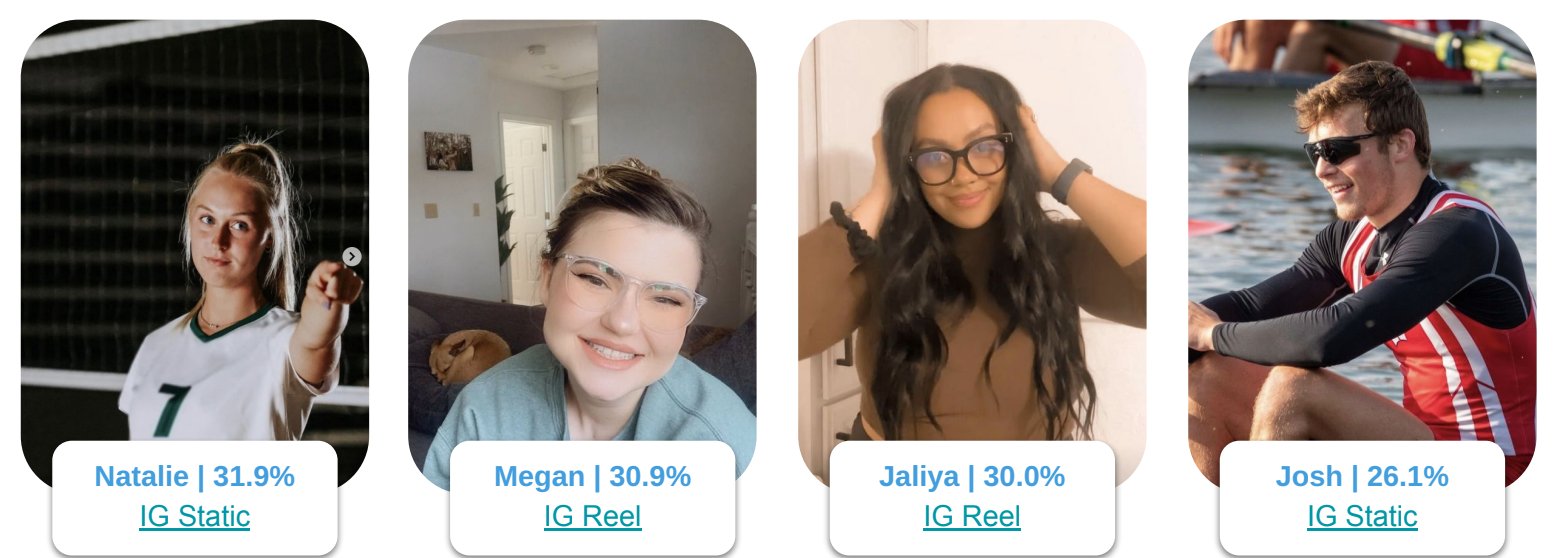
[ Campaign — Creator Results ]
Hero image: Rashan Gary. Photo courtesy of Bellin Health / Green Bay Packers.